Date: Sunday, February 28, March 7, 2027 Saturday, March 13, 20, 27, April 3, 2027
Time: 2 PM - 4PM New York Time
General Admission: $160 Patreon Members: $135 To become a Patreon member and enjoy exclusive discounts, click here.
This course will be conducted live via Zoom, allowing participants to join from anywhere. All classes will also be recorded and made available to registered participants, so you can revisit the material or catch up on any session you are unable to attend live.
Stroboscopic light, absurdist dialogue, whooshing sounds: the aesthetic of David Lynch is so recognizable that it is dangerously easy to caricature. Like his literary idol Kafka, Lynch eventually became an adjective: Lynchian. But what matters in his work is not the accumulation of peculiar effects; it is the way he destabilizes ordinary perception until the familiar begins to disclose something strange, latent, or previously unseen. Far beyond the sweet-and-sour Americana and trembling red curtains, his cinema offers a way of experiencing the world, perhaps even a way of seeing.
Meaning in Lynch rarely arrives as an explanation. It accumulates. An image returns altered, an atmosphere contradicts what appears to be happening, a face becomes suddenly unfamiliar, a banal object acquires an impossible weight. His films move through regions where identities split, symbols recur without becoming fixed, and mystery becomes something to inhabit rather than solve. Is it all about the bunny? Probably not. What Lynch proposes instead is an interpretive practice in which we learn to notice before we conclude, to follow associations before deciding what they mean, and to allow contradiction and uncertainty to remain active.
Tarot operates through remarkably similar mechanisms. A card does not simply contain a message waiting to be decoded: it enters into relation with other cards, with memories, sensations, coincidences, projections, and details whose importance may only become apparent later. To read well is not necessarily to arrive at an answer quickly, but to understand how meaning is beginning to organize itself.
In this first set of classes, we will put on our oven mitts and throw a few rocks at the silver screen to see what happens when Lynch becomes not simply a subject, but a set of practical taromantic techniques. As a storyteller and world-builder, Lynch was deeply invested in something that should feel familiar to cartomancers: the conditions under which an idea, a story, or an image can appear, remain alive, and gather meaning before being pinned down. Organized around four conceptual themes, we will move through the films, of course, but also his paintings, his practice of Transcendental Meditation, his obsessions, and his conception of creativity, from The Art Life to Catching the Big Fish. Our goal will be not only to examine his creative method, but to put it to work: resisting premature coherence, following mood further than is formulaic meaning, and getting a little dreamy together.
Although this class will be delicious for MASSIVE Lynchian nerds, it is fundamentally practical. Each session will include exercises designed to translate Lynch’s habits of attention into everyday tarot practice: how to stay with an image before naming it, how to follow an association without flattening it, how to let contradiction remain productive, and how to recognize when a card is still becoming rather than already understood.
No encyclopedic knowledge of Lynch is required; even the non-Lynchian cartomancer should leave with techniques that can be used immediately in their own readings.
Class One — Lynchism: The Eagle Scout of Missoula’s Divinatory Grammar
Lynch as method: intuition, receptivity, play, and the disciplined cultivation of meaningful accidents.
Class Two — Chevron Floors and Windowless Rooms
Lynch as psychic architect: interiors turned inward, where space becomes a condition of consciousness.
Class Three — Electricity: Signals from Elsewhere
Electricity as Lynch’s great occult substance: a medium of transmission, animation, and interference.
Class Four — Faces: Fractured Identities
The face as an unstable surface where identity splits, doubles, and begins to come undone.
Class Five — Initiation and Counter-Initiation
Lynchian stories as passages toward secret knowledge, metamorphosis, and the danger of crossing too far.
French-born Laetitia Barbier is an independent scholar, as well as a professional tarot reader and teacher. She earned a Bachelor’s Degree in Art History from La Sorbonne University Paris in 2009. Laetitia has worked with Morbid Anatomy from 2012 to 2024 as a programming director, head librarian, and occasional curator. Her book Tarot and Divination Cards: A Visual Archive was published in 2021 with a foreword by Rachel Pollack. She is the author of the Tiger Tarot Guide Book, a unique Tarot deck by symbolist artist Lori Field. As a writer and scholar, she has the privilege of collaborating with the iconic French maître-cartier Grimaud, notably on the exquisite re-release of their 1930s Tarot de Marseille and Belline Oracle.
Laetitia has lectured, taught and read cards for various cultural institutions, such as Greenwood Cemetery, Artyard, Fotografiska NY, the College of Psychic Studies in London or the New York Public Library. She lives in Brooklyn, New York.
Date: Sunday, February 28, March 7, 2027 Saturday, March 13, 20, 27, April 3, 2027
Time: 2 PM - 4PM New York Time
General Admission: $160 Patreon Members: $135 To become a Patreon member and enjoy exclusive discounts, click here.
This course will be conducted live via Zoom, allowing participants to join from anywhere. All classes will also be recorded and made available to registered participants, so you can revisit the material or catch up on any session you are unable to attend live.
Stroboscopic light, absurdist dialogue, whooshing sounds: the aesthetic of David Lynch is so recognizable that it is dangerously easy to caricature. Like his literary idol Kafka, Lynch eventually became an adjective: Lynchian. But what matters in his work is not the accumulation of peculiar effects; it is the way he destabilizes ordinary perception until the familiar begins to disclose something strange, latent, or previously unseen. Far beyond the sweet-and-sour Americana and trembling red curtains, his cinema offers a way of experiencing the world, perhaps even a way of seeing.
Meaning in Lynch rarely arrives as an explanation. It accumulates. An image returns altered, an atmosphere contradicts what appears to be happening, a face becomes suddenly unfamiliar, a banal object acquires an impossible weight. His films move through regions where identities split, symbols recur without becoming fixed, and mystery becomes something to inhabit rather than solve. Is it all about the bunny? Probably not. What Lynch proposes instead is an interpretive practice in which we learn to notice before we conclude, to follow associations before deciding what they mean, and to allow contradiction and uncertainty to remain active.
Tarot operates through remarkably similar mechanisms. A card does not simply contain a message waiting to be decoded: it enters into relation with other cards, with memories, sensations, coincidences, projections, and details whose importance may only become apparent later. To read well is not necessarily to arrive at an answer quickly, but to understand how meaning is beginning to organize itself.
In this first set of classes, we will put on our oven mitts and throw a few rocks at the silver screen to see what happens when Lynch becomes not simply a subject, but a set of practical taromantic techniques. As a storyteller and world-builder, Lynch was deeply invested in something that should feel familiar to cartomancers: the conditions under which an idea, a story, or an image can appear, remain alive, and gather meaning before being pinned down. Organized around four conceptual themes, we will move through the films, of course, but also his paintings, his practice of Transcendental Meditation, his obsessions, and his conception of creativity, from The Art Life to Catching the Big Fish. Our goal will be not only to examine his creative method, but to put it to work: resisting premature coherence, following mood further than is formulaic meaning, and getting a little dreamy together.
Although this class will be delicious for MASSIVE Lynchian nerds, it is fundamentally practical. Each session will include exercises designed to translate Lynch’s habits of attention into everyday tarot practice: how to stay with an image before naming it, how to follow an association without flattening it, how to let contradiction remain productive, and how to recognize when a card is still becoming rather than already understood.
No encyclopedic knowledge of Lynch is required; even the non-Lynchian cartomancer should leave with techniques that can be used immediately in their own readings.
Class One — Lynchism: The Eagle Scout of Missoula’s Divinatory Grammar
Lynch as method: intuition, receptivity, play, and the disciplined cultivation of meaningful accidents.
Class Two — Chevron Floors and Windowless Rooms
Lynch as psychic architect: interiors turned inward, where space becomes a condition of consciousness.
Class Three — Electricity: Signals from Elsewhere
Electricity as Lynch’s great occult substance: a medium of transmission, animation, and interference.
Class Four — Faces: Fractured Identities
The face as an unstable surface where identity splits, doubles, and begins to come undone.
Class Five — Initiation and Counter-Initiation
Lynchian stories as passages toward secret knowledge, metamorphosis, and the danger of crossing too far.
French-born Laetitia Barbier is an independent scholar, as well as a professional tarot reader and teacher. She earned a Bachelor’s Degree in Art History from La Sorbonne University Paris in 2009. Laetitia has worked with Morbid Anatomy from 2012 to 2024 as a programming director, head librarian, and occasional curator. Her book Tarot and Divination Cards: A Visual Archive was published in 2021 with a foreword by Rachel Pollack. She is the author of the Tiger Tarot Guide Book, a unique Tarot deck by symbolist artist Lori Field. As a writer and scholar, she has the privilege of collaborating with the iconic French maître-cartier Grimaud, notably on the exquisite re-release of their 1930s Tarot de Marseille and Belline Oracle.
Laetitia has lectured, taught and read cards for various cultural institutions, such as Greenwood Cemetery, Artyard, Fotografiska NY, the College of Psychic Studies in London or the New York Public Library. She lives in Brooklyn, New York.
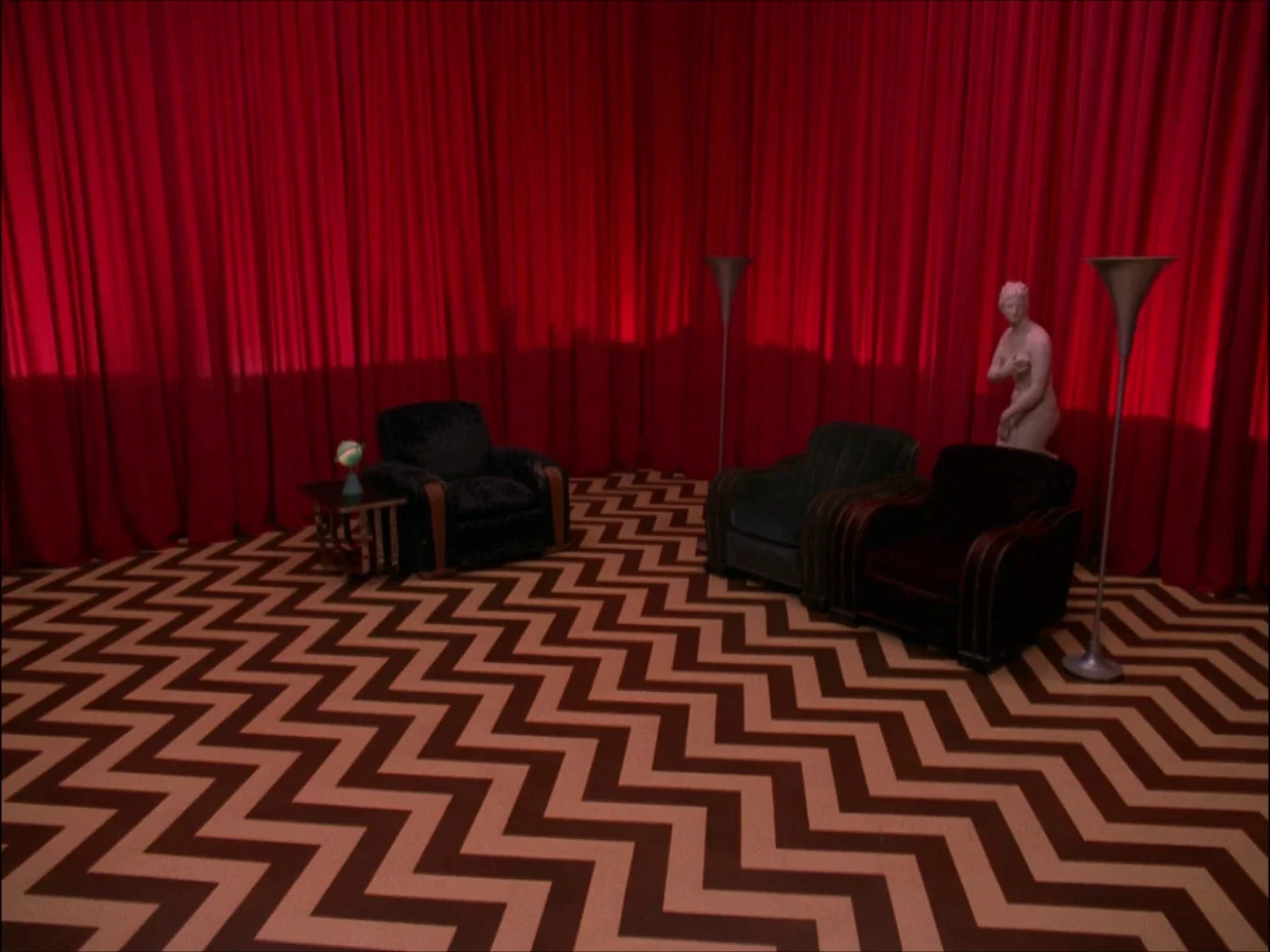 Image 1 of 8
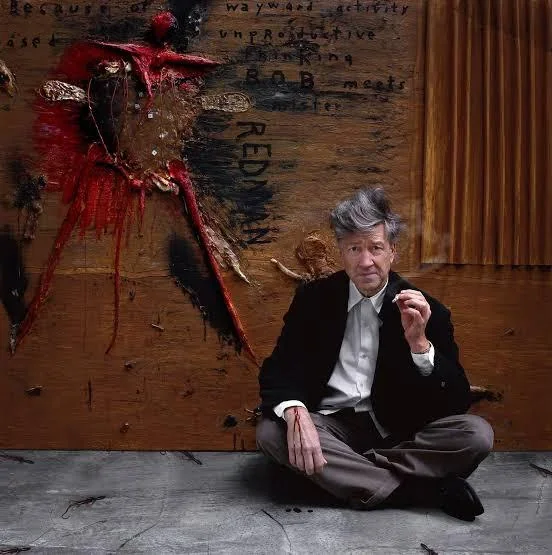 Image 2 of 8
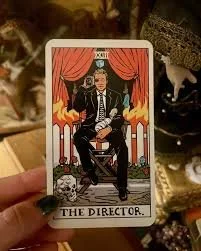 Image 3 of 8
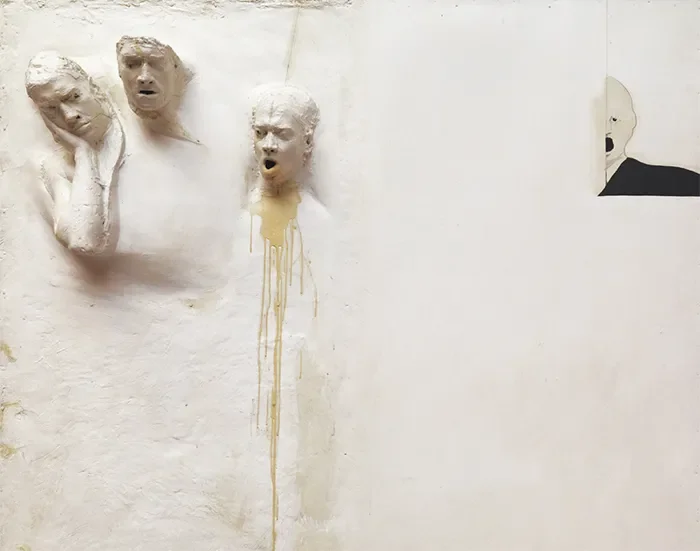 Image 4 of 8
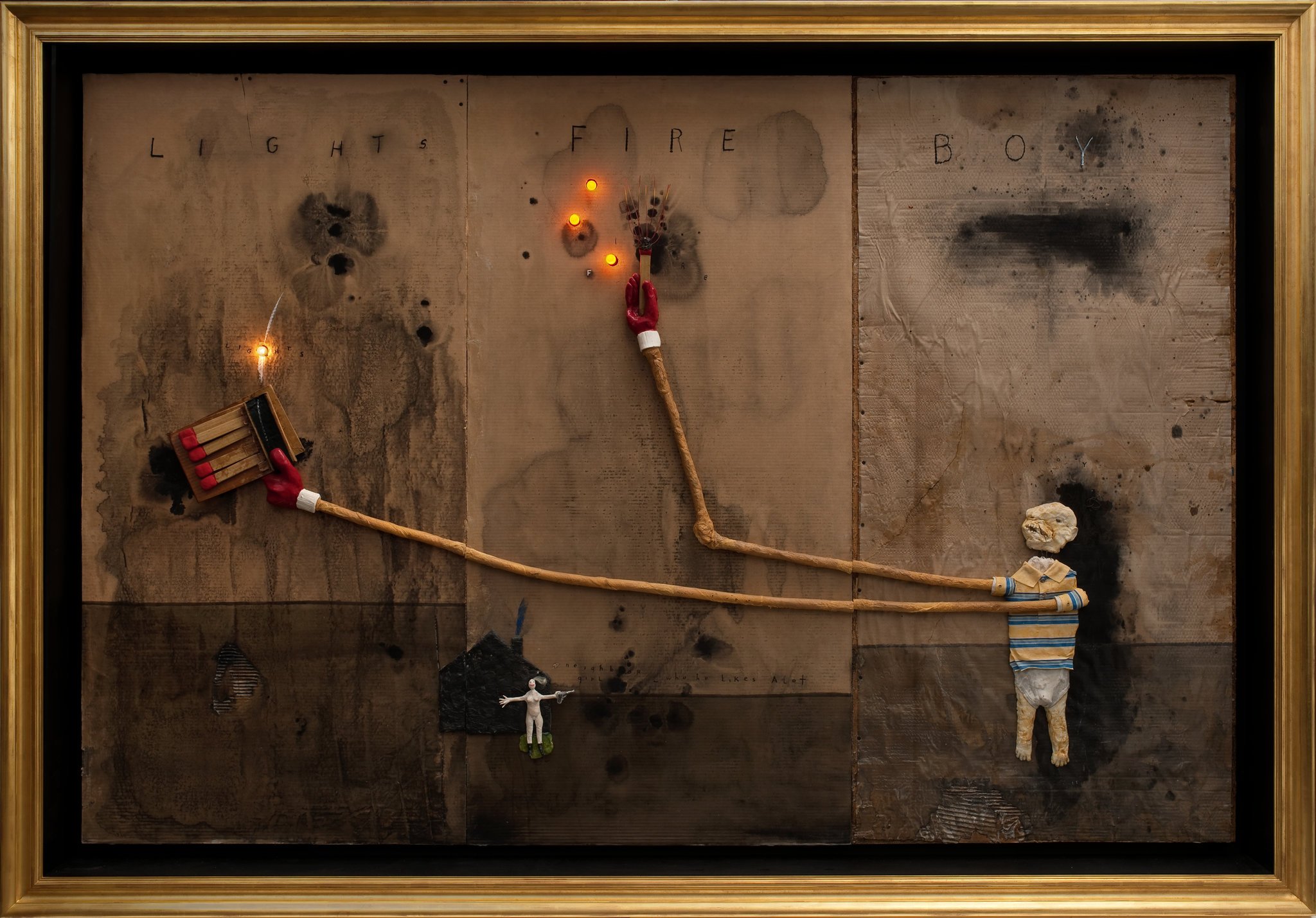 Image 5 of 8
 Image 6 of 8
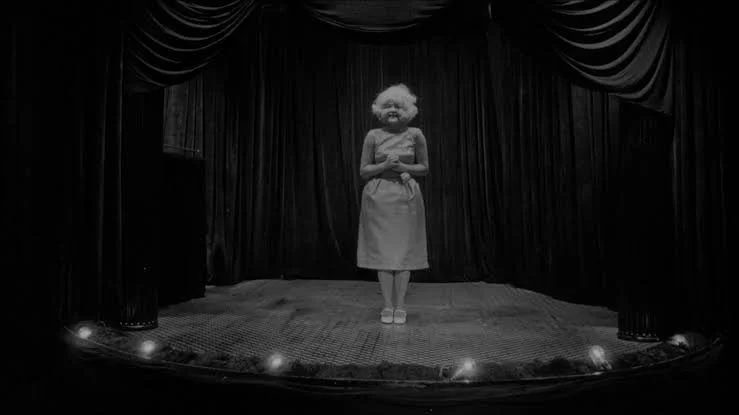 Image 7 of 8
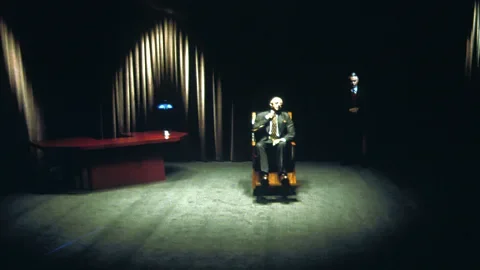 Image 8 of 8