Physician Storyteller: Examining the Charismatic Character and Lineage of Medicinal Trance - The History of Hypnosis Told through Seven Men with Daniel Ryan and special guest Asti Hustvedt
Date: Tuesdays February 17, 24, March 3
Time: 7pm - Classes are about Three 2.5-3hr per session
Admission:
This course will be conducted through Zoom, ensuring a convenient and interactive learning experience for everyone. Additionally, to accommodate the diverse schedules of our participants, all classes will be recorded. These recordings will be made available to all ticket holders, providing the flexibility to engage with the course material at your own pace.
During this course, we’ll walk through a chronological history of Hypnosis- one of the most fascinating, confounding, miraculous, fraudulent, mystical, medicinal, and entertaining subjects on Earth- by considering the biographies of seven of the most influential characters to dominate and define the field. These seven men together not only shape how hypnosis would come into vogue and stay in culture as therapeutic intervention, psychosocial stagecraft, and cause célèbre, they represent much of how we understand the mind and the vocabularies we use to speak about out interior lives to this day.
Though separated by centuries, cultures, and scientific paradigms, Anton Mesmer, Jean-Martin Charcot, Sigmund Freud, Carl Jung, Milton Erickson, Brian Weiss, and Jeffrey Ryan are linked by their pursuit of the unconscious—the hidden regions of the psyche where memory, trauma, belief, and healing intersect. Each man encountered hypnosis as a doorway: sometimes to scientific revolution, other times to professional ruin, and often to deeper philosophical transformation. Hypnosis, once considered a mystical force, later a fringe technique, and today an increasingly respected therapeutic modality, serves as both a literal and symbolic thread through their lives.
We will examine and evaluate the lives of each of these characters and explore their
• Upbringing & education
• Role of Hypnosis in their work
• Professional achievement, contribution, and works
• Philosophy and religion
• Family life
• End of life and death
• Legacy
Hypnosis has long hovered between the spiritual and the scientific. In Mesmer’s salons, it was mysticism cloaked in Enlightenment language. In Charcot’s lecture halls, it was pathology made theatrical. In Freud’s Vienna, it flickered briefly as a key to the unconscious before being deconstructed. Jung expanded it into a gateway to archetypes and symbols. Erickson reframed it as a conversational and narrative art, more intuitive than invasive. Weiss, in a radical departure from clinical psychiatry, used it to travel through lifetimes and examine our spirituality. And in Jeffrey Ryan’s practice, it becomes a tool for redemption and a living legacy—a humanizing modality for forgiveness, transformation, and intergenerational healing.
What binds these men together is not merely their use of hypnosis, but what hypnosis reveals about the human mind—and, more deeply, what it conceals. Each man approached hypnosis during a time of transition, both in the broader culture and within their own psyches. Hypnosis does not behave like a traditional scientific tool. It slips through categories, challenges authority, and forces its practitioners to become interpreters as much as clinicians. It’s no accident that each of these figures, in grappling with hypnosis, ended up confronting their own beliefs about truth, reality, and the soul.
These seven men also mirror changing attitudes toward medicine, mysticism, gender, and power. They each inherited a version of hypnosis and reshaped it to fit their historical moment: from Mesmer's magnetic salons to Charcot's theatrical lectures, from Freud’s conflicted rejection to Erickson’s revolutionary therapy room, from Jung’s inner archetypes to Weiss’s spiritual regressions, and ultimately to Jeffrey Ryan’s contemporary, lived synthesis of narrative, clinical practice, and family legacy. Hypnosis, in this story, is not just a method—it’s a kind of inheritance, passed hand to hand like an unstable object of power.
Session 1: The Life and Death of the Medical Theater
Introduction to the course material and the field of Hypnosis
Analysis of the characters of Franz Anton Mesmer, Jean-Martin Charcot, and Sigmund Freud and their roles and contributions to Hypnosis in their embraces and rejections of the subjects.
Session 2: A Conversation with special guest Asti Hustvedt, speaker and author of Medical Muses
Session 3: Infinite Reincarnation and Mystical Trances ]
Analysis of the characters of Carl Jung, Milton Erickson, Brian Weiss, Jeffrey Ryan nee Masselom
Including a live hypnotherapy experiential demo by Daniel Ryan
Daniel Ryan BFA, MS is an expert in the arts and practices of Hypnosis, Regression Therapy, and Narrative Medicine. He has maintained full-time private practice for over a decade (since 2012) in New York City offering Hypnosis and Regression Therapy to individuals and groups. He has a Master of Science from Columbia University in Narrative Medicine. He has received board certifications in Hypnotherapy, Regression Therapy, and Neuro-Linguistic Psychology. He studied and trained in techniques of meditation at the School of Practical Philosophy in New York City from 2007 to 2014. Daniel received his undergraduate degree, a Bachelor of Fine Arts, from Emerson College where his work focused on writing, literature, and sociology.
Asti Hustvedt, Ph.D., is an independent scholar who has written extensively on hysteria and literature. She is the author of Medical Muses: Hysteria in Nineteenth-Century Paris and the editor of The Decadent Reader: Fiction, Fantasy and Perversion from Fin-de-Siècle France. Currently, she is working on a book about female mediums and the scientists who investigated them.
Physician Storyteller: Examining the Charismatic Character and Lineage of Medicinal Trance - The History of Hypnosis Told through Seven Men with Daniel Ryan and special guest Asti Hustvedt
Date: Tuesdays February 17, 24, March 3
Time: 7pm - Classes are about Three 2.5-3hr per session
Admission:
This course will be conducted through Zoom, ensuring a convenient and interactive learning experience for everyone. Additionally, to accommodate the diverse schedules of our participants, all classes will be recorded. These recordings will be made available to all ticket holders, providing the flexibility to engage with the course material at your own pace.
During this course, we’ll walk through a chronological history of Hypnosis- one of the most fascinating, confounding, miraculous, fraudulent, mystical, medicinal, and entertaining subjects on Earth- by considering the biographies of seven of the most influential characters to dominate and define the field. These seven men together not only shape how hypnosis would come into vogue and stay in culture as therapeutic intervention, psychosocial stagecraft, and cause célèbre, they represent much of how we understand the mind and the vocabularies we use to speak about out interior lives to this day.
Though separated by centuries, cultures, and scientific paradigms, Anton Mesmer, Jean-Martin Charcot, Sigmund Freud, Carl Jung, Milton Erickson, Brian Weiss, and Jeffrey Ryan are linked by their pursuit of the unconscious—the hidden regions of the psyche where memory, trauma, belief, and healing intersect. Each man encountered hypnosis as a doorway: sometimes to scientific revolution, other times to professional ruin, and often to deeper philosophical transformation. Hypnosis, once considered a mystical force, later a fringe technique, and today an increasingly respected therapeutic modality, serves as both a literal and symbolic thread through their lives.
We will examine and evaluate the lives of each of these characters and explore their
• Upbringing & education
• Role of Hypnosis in their work
• Professional achievement, contribution, and works
• Philosophy and religion
• Family life
• End of life and death
• Legacy
Hypnosis has long hovered between the spiritual and the scientific. In Mesmer’s salons, it was mysticism cloaked in Enlightenment language. In Charcot’s lecture halls, it was pathology made theatrical. In Freud’s Vienna, it flickered briefly as a key to the unconscious before being deconstructed. Jung expanded it into a gateway to archetypes and symbols. Erickson reframed it as a conversational and narrative art, more intuitive than invasive. Weiss, in a radical departure from clinical psychiatry, used it to travel through lifetimes and examine our spirituality. And in Jeffrey Ryan’s practice, it becomes a tool for redemption and a living legacy—a humanizing modality for forgiveness, transformation, and intergenerational healing.
What binds these men together is not merely their use of hypnosis, but what hypnosis reveals about the human mind—and, more deeply, what it conceals. Each man approached hypnosis during a time of transition, both in the broader culture and within their own psyches. Hypnosis does not behave like a traditional scientific tool. It slips through categories, challenges authority, and forces its practitioners to become interpreters as much as clinicians. It’s no accident that each of these figures, in grappling with hypnosis, ended up confronting their own beliefs about truth, reality, and the soul.
These seven men also mirror changing attitudes toward medicine, mysticism, gender, and power. They each inherited a version of hypnosis and reshaped it to fit their historical moment: from Mesmer's magnetic salons to Charcot's theatrical lectures, from Freud’s conflicted rejection to Erickson’s revolutionary therapy room, from Jung’s inner archetypes to Weiss’s spiritual regressions, and ultimately to Jeffrey Ryan’s contemporary, lived synthesis of narrative, clinical practice, and family legacy. Hypnosis, in this story, is not just a method—it’s a kind of inheritance, passed hand to hand like an unstable object of power.
Session 1: The Life and Death of the Medical Theater
Introduction to the course material and the field of Hypnosis
Analysis of the characters of Franz Anton Mesmer, Jean-Martin Charcot, and Sigmund Freud and their roles and contributions to Hypnosis in their embraces and rejections of the subjects.
Session 2: A Conversation with special guest Asti Hustvedt, speaker and author of Medical Muses
Session 3: Infinite Reincarnation and Mystical Trances ]
Analysis of the characters of Carl Jung, Milton Erickson, Brian Weiss, Jeffrey Ryan nee Masselom
Including a live hypnotherapy experiential demo by Daniel Ryan
Daniel Ryan BFA, MS is an expert in the arts and practices of Hypnosis, Regression Therapy, and Narrative Medicine. He has maintained full-time private practice for over a decade (since 2012) in New York City offering Hypnosis and Regression Therapy to individuals and groups. He has a Master of Science from Columbia University in Narrative Medicine. He has received board certifications in Hypnotherapy, Regression Therapy, and Neuro-Linguistic Psychology. He studied and trained in techniques of meditation at the School of Practical Philosophy in New York City from 2007 to 2014. Daniel received his undergraduate degree, a Bachelor of Fine Arts, from Emerson College where his work focused on writing, literature, and sociology.
Asti Hustvedt, Ph.D., is an independent scholar who has written extensively on hysteria and literature. She is the author of Medical Muses: Hysteria in Nineteenth-Century Paris and the editor of The Decadent Reader: Fiction, Fantasy and Perversion from Fin-de-Siècle France. Currently, she is working on a book about female mediums and the scientists who investigated them.
 Image 1 of 7
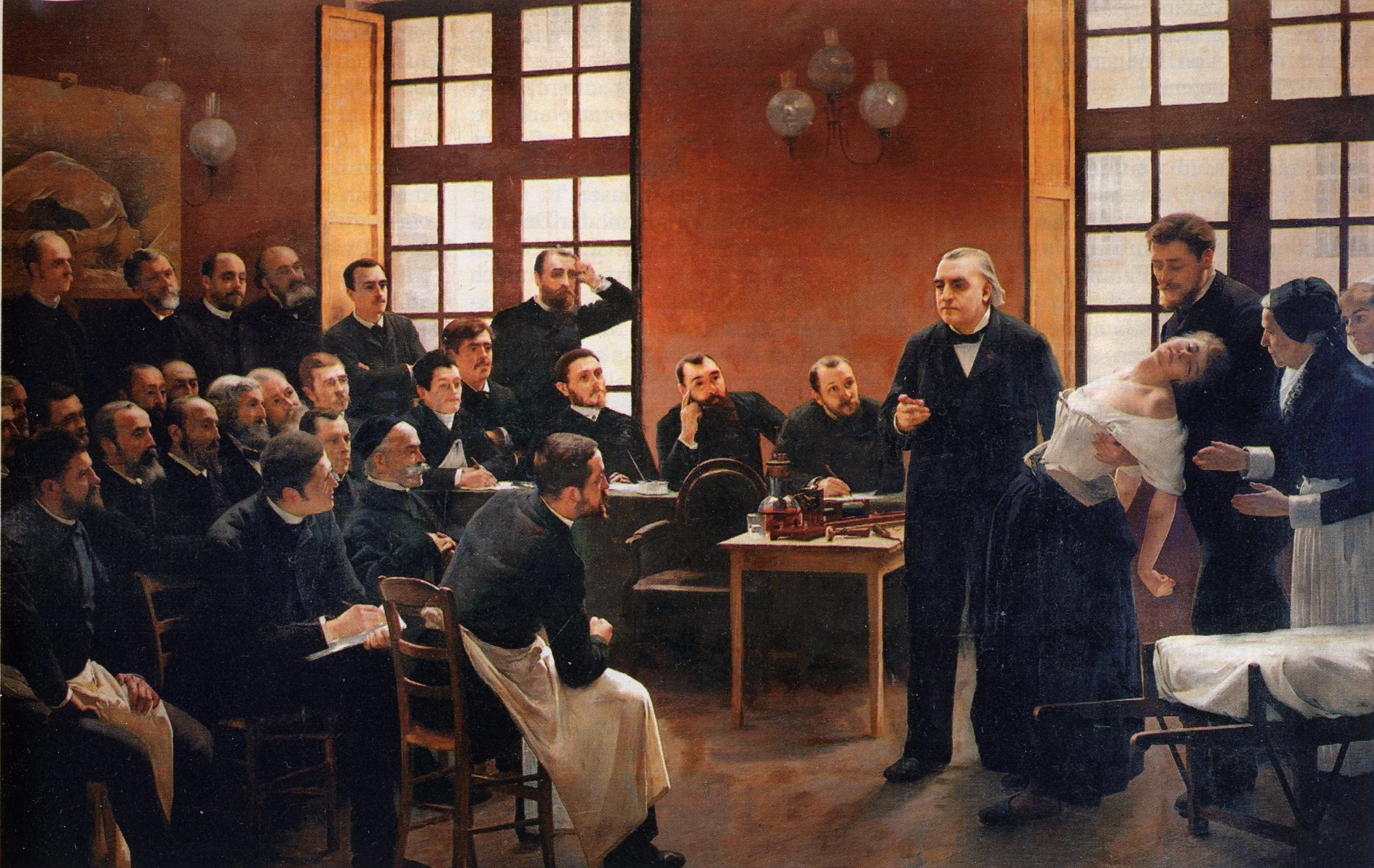 Image 2 of 7
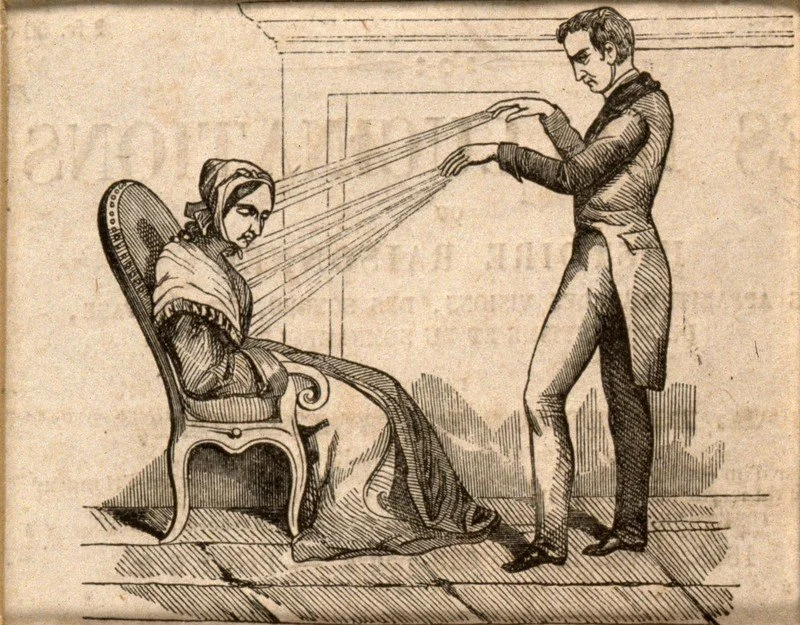 Image 3 of 7
 Image 4 of 7
 Image 5 of 7
 Image 6 of 7
 Image 7 of 7