 Image 1 of 4
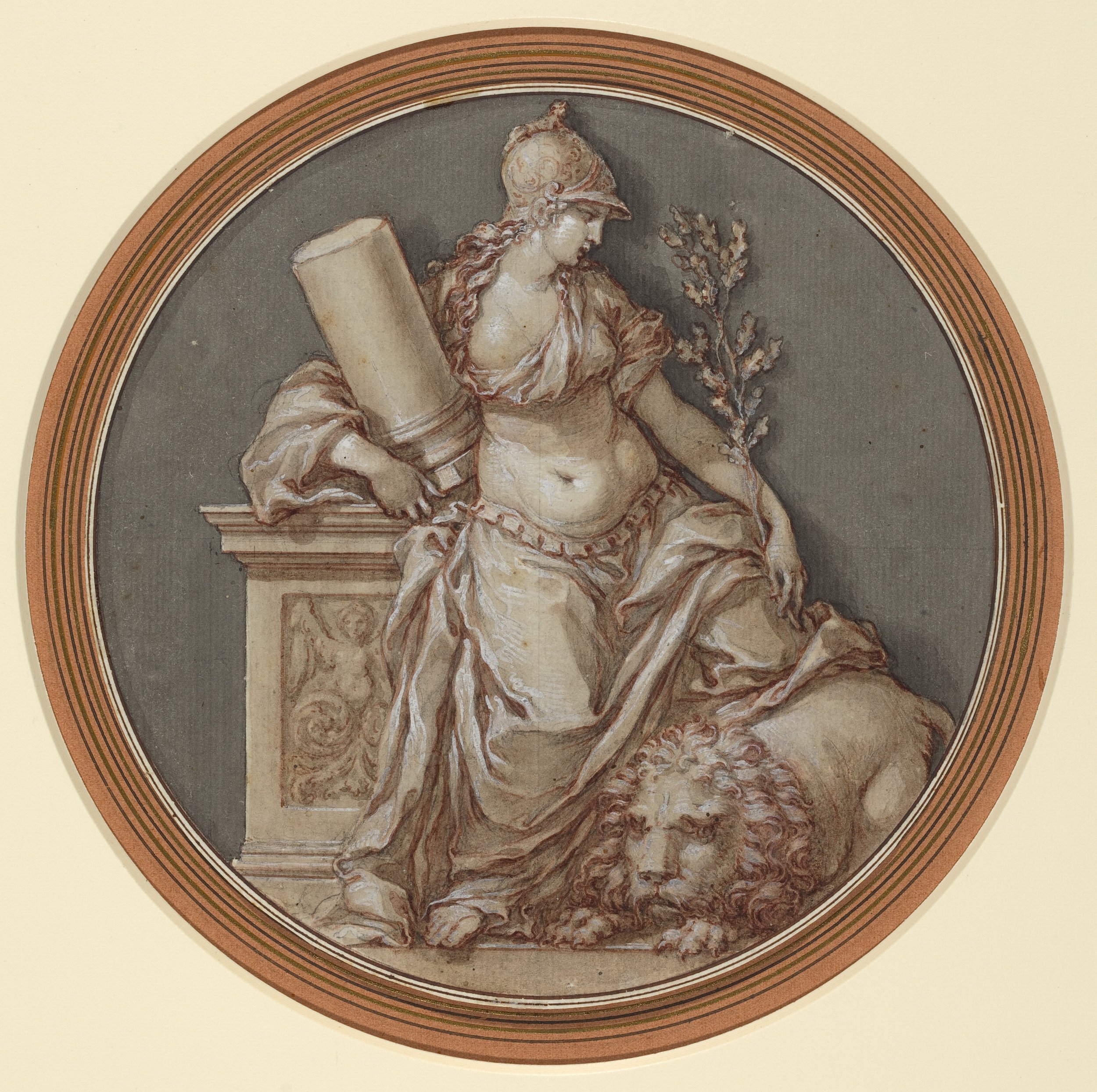 Image 2 of 4
 Image 3 of 4
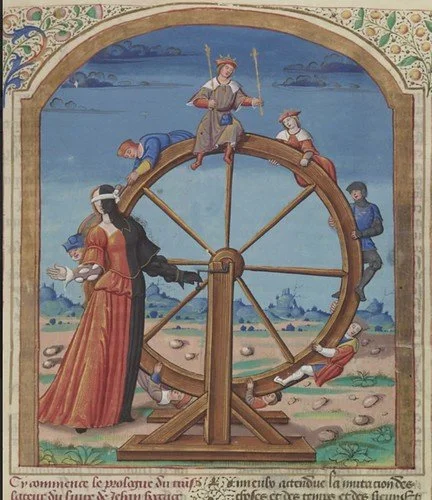 Image 4 of 4
Date: Tuesday, May 5 & 12
Time: 7-pm - 9pm
Admission: $130 ($100 for Patreon Members. To become a member and enjoy exclusive discounts,click here.
This course will be conducted through Zoom, ensuring a convenient and interactive learning experience for everyone. Additionally, to accommodate the diverse schedules of our participants, all classes will be recorded. These recordings will be made available to all participants, providing the flexibility to engage with the course material at your own pace.
Robert Place has observed that tarot readings work best when the reader has formed a kind of friendship with the figures depicted on the cards. When this familiarity develops, the images begin to speak more naturally and meaningfully. For Robert, this relationship with the imagery is essential to the practice of divination. To truly “befriend” the cards, he believes it is necessary to understand their symbols as the artists who first created them intended, and to appreciate the profound philosophical ideas captured within these images.
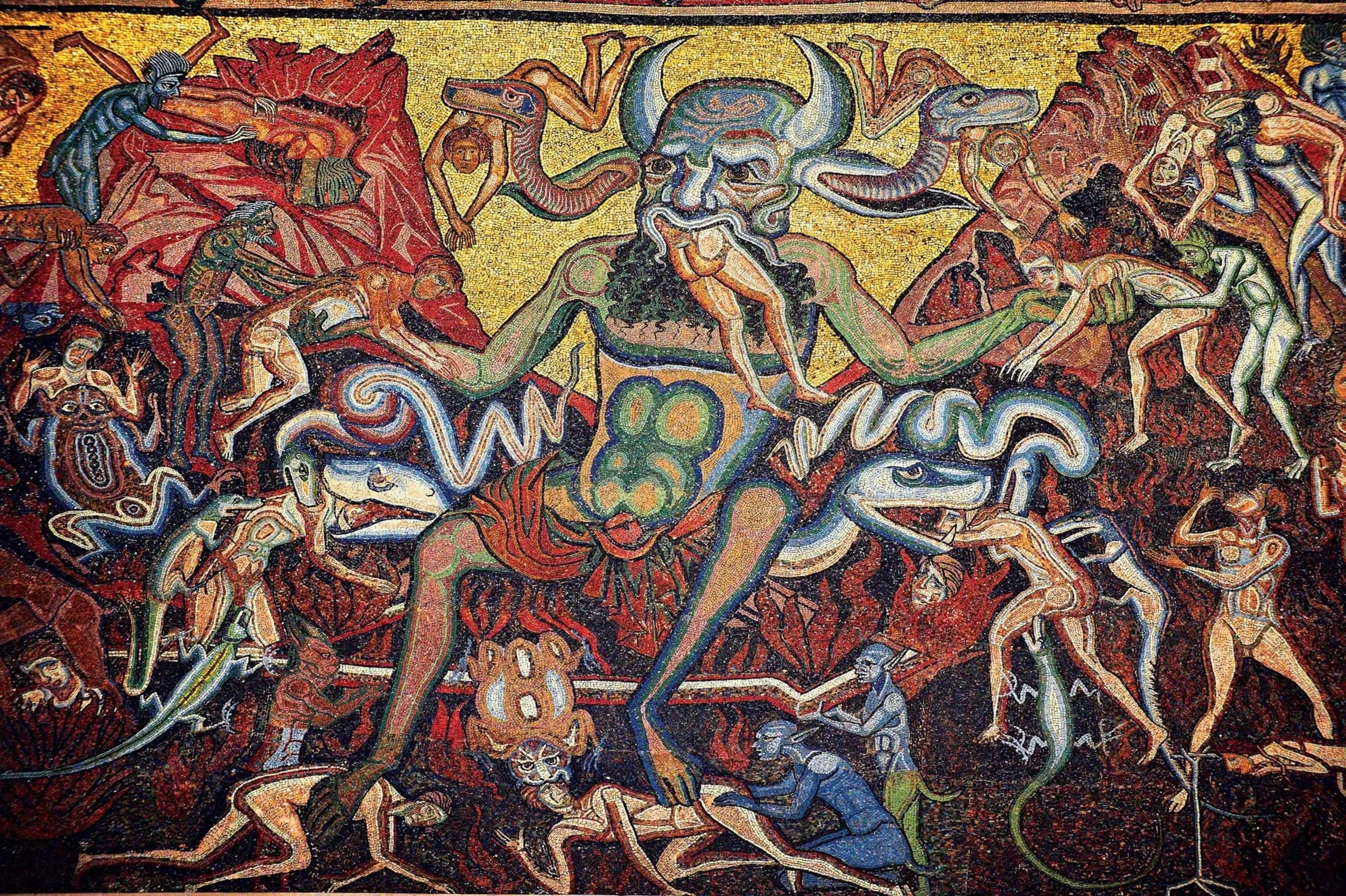
Over the centuries, many occult writers developed elaborate systems of correspondences for the Tarot, linking the cards to Hebrew letters, planets, astrological signs, and various esoteric codes. While these associations can sometimes be stimulating, they often drift far from the imagery itself. In their most extreme forms, they become a kind of secret code disconnected from the art of the cards. Historical evidence shows that the Tarot was created by Renaissance artists in the fifteenth century, and its imagery clearly relates to other artworks from that period. By studying this historical context and comparing tarot images with Renaissance art, it becomes possible to see the trumps much as their original creators would have seen them.
In this two-part class, Robert Place invites students to do exactly that. Together, participants will examine historic tarot examples alongside related works of Renaissance art. They will also explore the earliest written discussions of tarot symbolism. Through this process, the Tarot emerges not as a cryptic code, but as a series of meaningful works of art—images shaped by history and infused with philosophical insight. Robert considers this class an important foundation for the deeper tarot studies that follow in his teaching.
Part I — The Procession of the Soul: The Trumps and the Renaissance Triumphal Parade
In the first part of the class, Robert Place will explore the structure of the Tarot trumps through the lens of the Renaissance triumphal procession. Students will learn how the trumps can be understood as three groups of seven cards, each corresponding to one of the three parts of the Platonic soul. The session will also examine the Fool and the first seven trumps, comparing their imagery with related works of Renaissance art in order to illuminate how these figures would have been understood in their original cultural context.
Part II — Philosophy in Images: The Tarot Trumps in Renaissance Art
In the second part, Robert will continue this exploration by relating the remaining trumps to examples of Renaissance art. By situating the cards within their historical and artistic environment, the class will reveal how their imagery reflects philosophical ideas that have shaped Western culture for thousands of years. Through these comparisons, the Tarot trumps emerge not only as divinatory images but also as visual expressions of enduring philosophical traditions.
Date: Tuesday, May 5 & 12
Time: 7-pm - 9pm
Admission: $130 ($100 for Patreon Members. To become a member and enjoy exclusive discounts,click here.
This course will be conducted through Zoom, ensuring a convenient and interactive learning experience for everyone. Additionally, to accommodate the diverse schedules of our participants, all classes will be recorded. These recordings will be made available to all participants, providing the flexibility to engage with the course material at your own pace.
Robert Place has observed that tarot readings work best when the reader has formed a kind of friendship with the figures depicted on the cards. When this familiarity develops, the images begin to speak more naturally and meaningfully. For Robert, this relationship with the imagery is essential to the practice of divination. To truly “befriend” the cards, he believes it is necessary to understand their symbols as the artists who first created them intended, and to appreciate the profound philosophical ideas captured within these images.
Over the centuries, many occult writers developed elaborate systems of correspondences for the Tarot, linking the cards to Hebrew letters, planets, astrological signs, and various esoteric codes. While these associations can sometimes be stimulating, they often drift far from the imagery itself. In their most extreme forms, they become a kind of secret code disconnected from the art of the cards. Historical evidence shows that the Tarot was created by Renaissance artists in the fifteenth century, and its imagery clearly relates to other artworks from that period. By studying this historical context and comparing tarot images with Renaissance art, it becomes possible to see the trumps much as their original creators would have seen them.
In this two-part class, Robert Place invites students to do exactly that. Together, participants will examine historic tarot examples alongside related works of Renaissance art. They will also explore the earliest written discussions of tarot symbolism. Through this process, the Tarot emerges not as a cryptic code, but as a series of meaningful works of art—images shaped by history and infused with philosophical insight. Robert considers this class an important foundation for the deeper tarot studies that follow in his teaching.
Part I — The Procession of the Soul: The Trumps and the Renaissance Triumphal Parade
In the first part of the class, Robert Place will explore the structure of the Tarot trumps through the lens of the Renaissance triumphal procession. Students will learn how the trumps can be understood as three groups of seven cards, each corresponding to one of the three parts of the Platonic soul. The session will also examine the Fool and the first seven trumps, comparing their imagery with related works of Renaissance art in order to illuminate how these figures would have been understood in their original cultural context.
Part II — Philosophy in Images: The Tarot Trumps in Renaissance Art
In the second part, Robert will continue this exploration by relating the remaining trumps to examples of Renaissance art. By situating the cards within their historical and artistic environment, the class will reveal how their imagery reflects philosophical ideas that have shaped Western culture for thousands of years. Through these comparisons, the Tarot trumps emerge not only as divinatory images but also as visual expressions of enduring philosophical traditions.